Pages

Labels

Blog Archive

Popular Posts

Thursday, 8 March 2012

The Other Sistine Chapel Frescoes

Michelangelo's Sistine Chapel Ceiling frescoes are among the most famous paintings in the world.  However the entire Sistine Chapel is covered in fresco paintings, the walls were painted nearly thirty years earlier by some of the most famous artists of the late 15th century.  

Pope Sixtus IV commissioned the frescoes for the walls in 1481 and asked that the Chapel be completed within a year (named the "Sistine" Chapel in his honor).  He chose to hire several successful fresco painters from Tuscany and Umbria.  The Florentines included: Domenico Ghirlandaio, Sandro Botticelli and Cosimo Rosselli (assisted by Piero di Cosimo).  From Perugia came Pietro Perugino (who was assisted by Pinturicchio) and Luca Signorelli who worked in both regions.

 The Calling of the Apostles Peter and Matthew, Domenico Ghirlandaio,


The Calling of the Apostles moves away from the stylization of his Last Supper and towards the later style he would become known for.  Look at the two halves of the painting, the figures on the right side are painted in a rather stylized way, mostly in profile while the figures in the center and on the left side are more naturalistic.  This fresco is filled with details and uses atmospheric perspective so that the objects in the background are painted in blues and grays.  The painting is also rich in color, no expense was spared in the use of pigments.


Christ Handing the Keys to St. Peter, Pietro Perugino (with Pinturicchio)
Sistine Chapel, 1481-82

Pietro Perugino was a key figure in the Italian Renaissance and a painter who emphasized beauty and harmony in his work.  Pinturicchio was his student and his assistant and worked closely with him.  The style of Pinturicchio (and also of the early Raphael) was very similar to their master Perugino who brought a new sense of gracefulness to the High Renaissance.  Here he shows Christ handing the keys of the church to St. Peter, which was an appropriate theme for the chapel attached to St. Peter's Basilica.

This is both a very famous work of art and also was a very influential work of art for later painters.  Unlike some other paintings and frescoes done at this time which were in private villas or small chapels, St. Peter's and the Sistine Chapel received thousands of visitors from all over Europe and beyond.  Perugino's graceful handling of human figures, use of one-point perspective and inclusion of harmonious 15th century Italianate architecture within a Biblical story would influence a wide variety of future artists.

Temptation of Christ, Sandro Botticelli
Sistine Chapel, 1481-82 

The Pope requested ten frescoes from the Old Testament (painted on the south wall) and New Testament (painted on the north wall) as well as many papal portraits near the clerestory windows.  Botticelli painted three of the large frescoes and around seven portraits.  Some of the frescoes on the altar wall were removed in the early 1530's to make way for Michelangelo's famous Last Judgement fresco which now covers the entire wall.

 
The Testament and Death of Moses, Luca Signorelli
Sistine Chapel, 1481-82

Luca Signorelli is perhaps most famous for his fresco of the Antichrist in the Cathedral of Orvieto, but that wasn't painted until 1499.  This is a much earlier work from this artist who was active in Tuscany, Umbria and Rome.  This fresco uses continuous narrative to show several scenes from the life of Moses including: Moses teaching the law to the Israelites, being shown the Promised Land from Mount Nebo and the descent of Moses from the mountain.

This was not the first time that several of these painters had met each other, both Ghirlandaio and Perugino were students in the workshop of Florentine Andrea Verrocchio along with Leonardo da Vinci.  Ghirlandaio as mentioned earlier would go on to train Michelangelo and Perugio would become the teacher of Raphael.  Botticelli may also have studied with Verrocchio (both painters studied under Fra Fillipo Lippi).  These artists would collaborate with one another in the future as well: Perugino, Ghirlandaio and Botticelli all worked on another fresco cycle together in a villa of Lorenzo di Medici in the mid-1480's.

The Italian "High Renaissance" is often said to have lasted from 1480-1520 and certainly these frescoes were painted in a style that had an enormous influence.  I have often thought that this interesting fresco cycle truly marked the start of the Italian High Renaissance.

Wednesday, 7 March 2012

నిమ్మచెక్కల్ని పడేయకుండా ఎలా పనికొస్తాయి?,How to use used lemon pieces?


  • image : courtesy with Eenadu News paper.

పండ్లు , కాయగూరలు ,గింజలు, పప్పులు , కందమూలాలు ,సుగంధద్రవ్యాలు మానవుడికి ప్రక్రుతి ప్రసాదించిన అపురూపమైన వరము .ఆయా సీజన్లలో పండే పండ్లను ఆరగించడం మనకు తరతరాలు గా తెలుసును . అన్నం తో కూడా ప్రకృతిసిద్ధమైన పండ్లు , కూరగాయలు ఇతర త్రునధన్యాలను ఆహారం గా ఆహారముగా తీసుకుని జీవించినట్లయితే శరీరానికి కావససిన అన్నిరకాల పోషకాలు లభిస్తాయి ... ఇదే అసలు ఉత్తమమైన జీవన విధానమని పకృతి వైద్యుల నమ్మకం.....ఆహారం జీవం ఉన్న ప్రతి జీవికి అత్యవసరమైనది. పిండిపదార్ధాలు, మాంసకృత్తులు, కొవ్వుపదార్ధాలు, ఖనిజలవణాలు, పీచుపదార్ధాలు, రోగనిరోధక శక్తికి కావలసిన విటమిన్లు మరియు శరీర పోషణకు రక్షణకు కావలసిన పదార్ధాలను కలిగిన పదార్దాలను ఆహారంగా పేర్కొనవచ్చు. ఇవి కాక శరీరానికి నూతన ఉత్సాహాన్నిచ్చే కాఫీ, టీ లాంటి వాటిని కూడా ఆహారపదార్ధాల కోవలోకి వస్తాయి. ఆహారం ఘన, ద్రవ రూపాలలో లభ్యం అవుతుంది.


  • How to use used lemon pieces?


వంటింట్లో ఎక్కువగా ఉపయోగించేవి నిమ్మకాయలు.. అయితే వాటిని వాడేశాక చెక్కల్ని పడేస్తుంటారు చాలామంది. వీటివల్ల ఉపయోగాలు తెలిస్తే ఎవరూ అలా చేయరు. మరి అవేంటో మనమూ తెలుసుకుందాం.

  • * ఇంట్లో పురుగులు, చీమలు, ఇతర కీటకాలు ఎక్కువగా వస్తుంటే వంటింట్లో గోడలకున్న రంధ్రాల దగ్గర, కిటకీల వద్ద.. నిమ్మచెక్కలను ఉంచితే చాలు.. వాటి బెదడ దూరమవుతుంది.

  • * కిచెన్‌లో పాడైపోయిన కూరగాయలు, వంటల తాలూకు చెడు వాసనలు వస్తుంటే ఇలా చేయండి. గిన్నె నిండా నీళ్లు నింపి అందులో ఈ చెక్కలను వేసి పొయ్యి మీద పెట్టాలి. నీళ్లు మరిగాక వాటి నుంచి సువాసనలు వస్తాయి. ఇల్లంతా పరిమళభరితం అవుతుంది.

  • * ఫ్రిజ్‌, ఓవెన్‌ నుంచి దుర్వాసనలు వస్తుంటే.. చిన్న కప్పులో నీళ్లు పోసి ఒక నిమ్మకాయ ముక్క ఉంచితే అలాంటి సమస్యలు తక్షణమే దూరమైపోతాయి.
  • పొయ్యి, బాణలి, పెనం వంటి వాటి మీద ఉప్పు చల్లి ఈ చెక్కతో రుద్ది కడగాలి. తరవాత పొడి వస్త్రంతో తుడిస్తే నూనె మరకలు వదిలిపోతాయి.
  • ========================
Visit my Website - Dr.Seshagirirao...

Monday, 27 February 2012

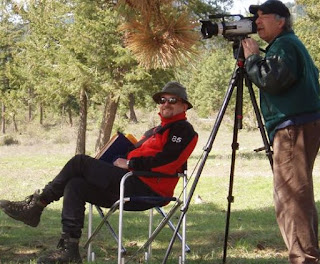
So You Want To Be A Filmmaker

Film can be a very powerful medium, it combines both audio and visual, to tell a story. Watching movies can provide escape as well as excitement, while making a film yourself can be challenging, exciting and magical. Films have the power to affect emotions, they can make you see things from a different perspective, and discover new ideas, or simply create escape or fantasy. Film can make you laugh or cry and each film should have a purpose, whether it is to entertain or inform.

The important thing to remember about making a successful film is simple, it should tell a story.The best way to tell a story is with pictures. Film-making when broken into the components, is visual storytelling, in the shots that make up the scenes, and the scenes put together, make up the complete film.

There are so many different types of film and each serves it purpose.

Studio films are backed by film studios and usually have a hefty budget, averaging $70 million and as high as $300 million. Usually a major star will be featured. On the other end of the spectrum, are the independent films, which are often low-budget, because the money is raised by the filmmaker, without studio financing. Somewhere in between, there are independent divisions of the studio which is really a boutique, operating on smaller budgets but with backing of the studio.

There are advantages and disadvantages to both types. As an independent filmmaker, you have total control, and your film can be created exactly as you envision it, however you have no operating budget. A studio picture, with larger financial backing, and highly paid actors is determined by the studio for the best commercial success and creativity normally takes a back seat.

Your movie can be shot in many different formats. Filmmakers appreciate that the medium on which the story is set can elicit different audience reactions.Multiple choices include analog or digital video or high definition. The choice of film camera can go from super-8 which is an affordable format for beginners to 16mm which produces picture quality that may be adequate for television, or with studio production of 35mm motion picture quality, which is used for most television and feature films.

High definition usher in a new experience, with much sharper pictures, and in some instances it may seem closer to being live.

Great films are seldom made without a good story, and choosing the right material can be more important than anything else.Good ideas for films can come from almost anywhere, once allowed to germinate and blossom, a once nascent idea can develop into a full blown screenplay.

How to Make a Low Budget Movie - Bring Your Screenplay to Life

Feature length movies can be made for ten thousand dollars. However, they are more likely to be turn out better and be a success if you pay about five to ten times as much. There are exceptions of course, and some movies costing only 10 to 20 thousand dollars to make have made millions of dollars. If you want to make a movie on a low budget there are many things to consider besides just getting it made cheaply if you want to be a success. This article explains different ways that movies can be made at low cost, and the pros and cons to the different methods. It is primarily for someone with a screenplay or a movie idea who wants to see their idea come to life.

If you have a movie script or movie idea that you want made into a movie, it can be done, with difficulty, or with relative ease. And it can be completed under budget, or over budget.

To illustrate what I mean, imagine you have a house and you want to add two rooms to it and you have no building experience, but you know what you want. If you have enough money, you can explain what you want to an experienced builder, and have them do it all. If you want to save money, you may think about doing some of the work yourself. You might think, well I have a table saw and I can measure and I can pound nails, so I'll do the framing, and hire someone to finish it. When the finishing crew comes to finish it, they may find the rooms are a bit off square, and not quite level, and for them to finish it it will take lots of extra work because the basics were not done right. The total cost can then be more than if you had hired experts right from the start.

The same applies to making a movie. You have your screenplay, and maybe a camera and some of the equipment, and you know some people who will volunteer, and you have taken some workshops on operating the camera and practiced a bit. You shoot your movie, and then hand it to an editor to finish it. Like with the addition to the house, if the basics were not done right, the editor will have a lot more work to make it presentable, and may in fact not be able to make it totally professional looking because of errors that were made during shooting. It would have been cheaper to get expert help right at the start, and to only concentrate on directing and telling your story.

You might think well, what else can I do? I don't have the money to hire a big professional crew to make it. The answer is to find a very small professional crew, who are expert at shooting low-budget movies to do it. The cost will likely be less than if you tried to "save money" by doing jobs you were not expert at. You can still do a lot of the work yourself, but restrict yourself for the most part to doing the simple no brainer jobs, and let the experts do their thing. You can find filmmakers who have the experience and know how to bring your story to life, and all you have to do is find them. After all, what you really want is a nicely finished, professional looking movie that tells your story. Search, and you will find the people that you need, and be much happier in the long run.